
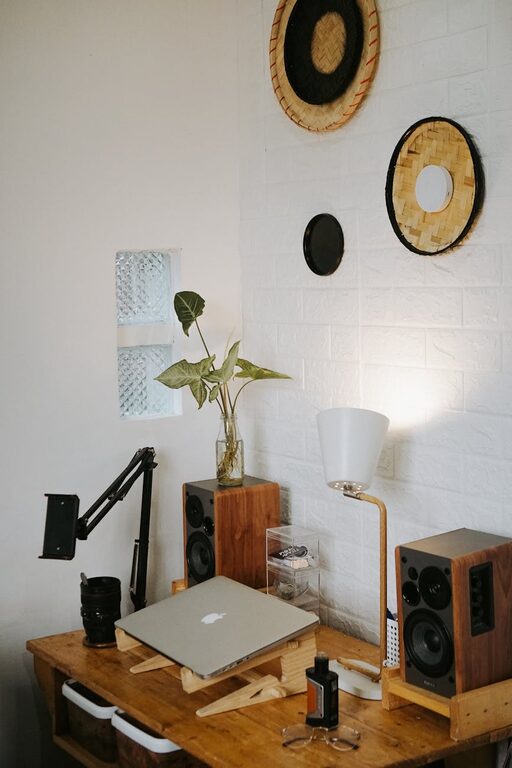
Creating a home office that balances comfort and productivity is essential for anyone working remotely or spending extended hours at a desk. A well-designed workspace can improve focus, reduce stress, and make work feel more enjoyable. Whether you have a dedicated room or just a small corner, these tips will help you set up a cozy and efficient home office space.
Choose the Right Location
Consider Natural Light
Selecting a spot with plenty of natural light can boost your mood and energy levels. Position your desk near a window if possible, but avoid glare on your computer screen. If natural light is limited, invest in quality adjustable lighting to reduce eye strain.
Minimize Distractions
Try to find a quiet area in your home where interruptions are minimal. If this is challenging, consider noise-cancelling headphones or soundproofing options like rugs and curtains to absorb noise.
Invest in Ergonomic Furniture
Comfortable Chair
An ergonomic chair supports your back and promotes good posture, which is vital for long working hours. Look for adjustable features such as seat height, lumbar support, and armrests.
Desk Height and Space
Choose a desk that fits your space but also offers enough surface area for your computer, documents, and any other tools you need. A height that allows your arms to be at a 90-degree angle while typing is ideal.
Organize Efficiently
Declutter Regularly
Keep your workspace tidy by removing unnecessary items. Clutter can distract you and make it harder to focus.
Use Storage Solutions
Shelves, drawers, and boxes can help keep supplies organized and within reach. Label storage containers to make it easier to find what you need.
Digital Organization
Keep your computer desktop and email inbox organized as well. Use folders, tags, or apps designed for task management to stay on top of your work.
Personalize Your Workspace
Add Greenery
Plants can brighten up your office and improve air quality. Low-maintenance plants like succulents or pothos are great options.
Decor that Inspires
Incorporate items that motivate you, such as artwork, photos, or inspirational quotes. Just avoid overcrowding your space.
Use Soothing Colors
Choose calming colors for your walls and accessories, like soft blues, greens, or neutrals to create a relaxed atmosphere.
Optimize Lighting
Layer Your Lighting
Use a combination of ambient, task, and accent lighting. A desk lamp with adjustable brightness can help when focused lighting is needed.
Avoid Eye Strain
Position lights to reduce glare on screens and use bulbs with natural daylight tones to keep your eyes comfortable.
Manage Technology Wisely
Keep Cables Organized
Use cable clips or sleeves to prevent cords from tangling or cluttering your desk.
Reliable Equipment
Invest in quality tools such as a fast computer, a good monitor, and a reliable internet connection to enhance productivity.
Backup Power
Consider a surge protector or an uninterruptible power supply (UPS) to protect your devices and avoid work interruptions.
Establish Boundaries and Routine
Clear Work Hours
Set specific work hours to help separate work from personal life, which is key when your office is at home.
Designate a “Work Only” Zone
Try to use your office space solely for work to mentally switch into work mode when you enter the room.
Take Breaks
Ensure your setup encourages movement by standing up regularly, stretching, or taking short walks to refresh your mind.
Add Comfort Elements
Temperature Control
Make sure your home office stays at a comfortable temperature. A small fan or heater may be necessary depending on your climate.
Personal Comfort Items
Consider items like a cozy blanket, a wrist rest, or a footrest to keep you comfortable throughout your workday.
Background Sound
If it helps you focus, play soft background music or white noise. Just be sure it’s not distracting.
—
Setting up a cozy and productive home office is about combining functionality with personal touches. By carefully choosing your location, investing in ergonomic furniture, and keeping your space organized and well-lit, you can create a workspace that not only supports your work tasks but also feels comfortable and inviting. Remember, a workspace that works for you encourages both productivity and well-being.