
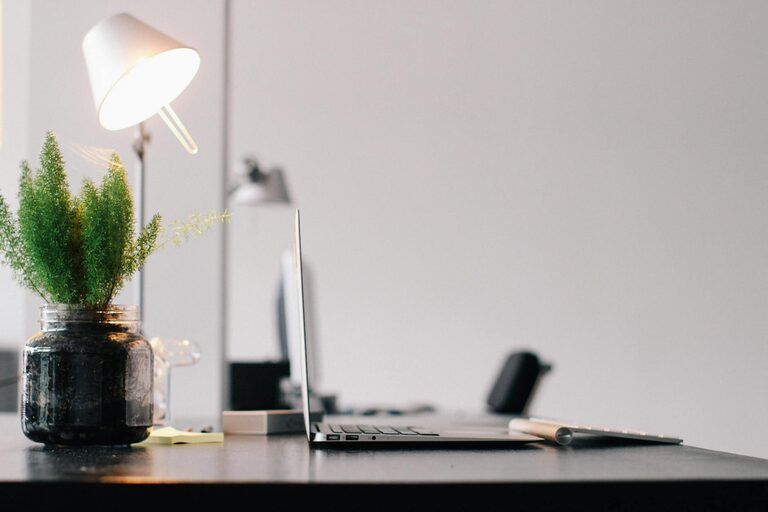
Creating an organized home environment can have a profound impact on your productivity and overall well-being. When your space is clutter-free and thoughtfully arranged, everyday tasks feel easier, and stress levels tend to decrease. Whether you work from home or simply want a calmer atmosphere, these simple tips will help you organize your home effectively.
Why Organizing Your Home Matters
Your home is where you recharge, work, and spend time with loved ones. A cluttered, chaotic environment can make it harder to focus, lead to lost items, and increase feelings of overwhelm. Organizing your home isn’t just about aesthetics; it’s about creating a supportive space that enhances your lifestyle.
Getting Started: Assess Your Space
Before jumping into organization, take time to assess your home and your habits.
– Identify clutter hotspots: Notice which rooms or areas tend to accumulate piles of stuff.
– Consider your priorities: Reflect on what you use most and what you want to improve.
– Set realistic goals: Organize one room or zone at a time to avoid feeling overwhelmed.
Practical Tips for Organizing Your Home
1. Declutter Regularly
Remove items you no longer use or need.
– Sort belongings into keep, donate, and discard piles.
– Be honest: if you haven’t used something in six months, consider letting it go.
– Establish a “one in, one out” rule to prevent future buildup.
2. Use Storage Solutions Wisely
Select storage options that fit the space and purpose.
– Clear containers make it easy to see what’s inside.
– Baskets and bins can group similar items together.
– Utilize vertical space with shelves or hooks.
3. Create Dedicated Zones
Designate specific areas for different activities.
– Set up a workspace that’s free of distractions.
– Organize kitchen tools near the area where they’re used.
– Have a drop zone near the entrance for keys, bags, and mail.
4. Maintain Flat Surfaces
Clear counters, desks, and tables daily.
– Only keep essential items out.
– Put away items as soon as you’re done using them.
– A tidy surface promotes a clearer mind.
5. Label Everything
Make it easy to find and return items.
– Use simple labels for bins, drawers, and shelves.
– Labels help other household members maintain order.
6. Develop Daily Habits
Small, consistent efforts prevent major messes.
– Spend 10 minutes tidying at the start or end of the day.
– Put things back immediately after use.
– Prepare your workspace for the next day before finishing work.
Organizing Your Home Office for Maximum Productivity
If you work or study from home, creating an efficient workspace is key.
– Keep only the tools and supplies you use daily on your desk.
– Use cable organizers to reduce cord clutter.
– Position your desk near natural light for a mood and energy boost.
– Store paperwork in files or folders and sort regularly.
Stress Reduction Through Organization
A well-organized home contributes to lower stress levels by minimizing time spent searching for items and reducing visual clutter, which can be mentally taxing. A calm environment encourages relaxation and focus, helping you feel more in control.
Additional Tips
– Use calming colors or lighting in your space.
– Add plants to improve air quality and create a peaceful vibe.
– Involve family members or roommates in organizing efforts.
– Be patient with yourself; organizing is an ongoing process.
Final Thoughts
Organizing your home doesn’t have to be overwhelming or expensive. By taking small, consistent steps and using thoughtful strategies, you can create a home environment that supports productivity and reduces stress. Start today by clearing one drawer or shelf — your future self will thank you!